
Thank you for Subscribing to Insurance Business Review Weekly Brief


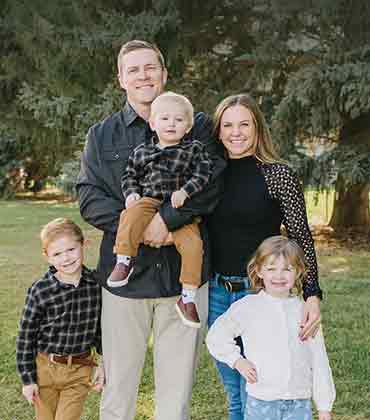 J.C. Percy, President
For Conquest Insurance Agency, a strong agricultural insurance strategy begins long before a claim is filed. It starts with understanding how a farm makes money, where its costs come from and what could put its financial stability at risk.
A strong crop can still create financial challenges when market conditions push prices lower, while sharp changes in weather and production conditions can quickly alter the economics of an operation. The right coverage needs to reflect those realities.
After exiting personal lines, Conquest has concentrated its business on commercial lines and crop insurance, with commercial agriculture as its primary specialization. As an equal opportunity provider, the agency works with growers across a range of agricultural operations, beginning with an understanding of what each grower produces, examining production costs, revenue structures and the areas where coverage can make the greatest difference.
“We always try to focus on what the growers’ cost of production is, and then work back from there,” says J.C. Percy, president.
When a Good Crop Still Loses Money
Fresh potato and onion growers have seen how quickly a strong harvest can become a financial squeeze. Large harvests have placed pressure on commodity prices in recent seasons, leaving producers with significant production expenses and lower returns. The numbers can change even when decisions made in the field were sound.
 Conquest starts with those numbers. The team identifies what the grower produces, examines production costs and revenue and determines where available insurance programs can help protect the economics of the business.
The distinction matters because no two agricultural businesses carry exactly the same exposure. A fresh potato producer may face different challenges from a grower supplying potatoes to a processor. A wheat operation carries a different risk profile from a tobacco or sweet potato farm.
Revenue coverage can provide protection tied to production and revenue when a crop qualifies. Determining whether it makes sense requires Conquest to understand the grower’s actual cost of production. For Percy, the objective ultimately comes down to protecting farm cash flow when production or market conditions put revenue under pressure.
Revenue coverage is not available for every commodity. When it is unavailable, Conquest works with production and quality protection instead. Where available programs allow it, the approach can help establish a financial floor against production or revenue losses.
The question is not simply whether a farm faces risk. It is how much financial disruption the operation can absorb before its longer-term viability is affected.
The Value of Asking Better Questions
Agricultural risk rarely stays still. The crop matters, but so do the costs behind it, the revenue it is expected to generate and the protection available when the numbers move in the wrong direction.
Conquest favors one-on-one conversations with growers because group meetings rarely reveal how program changes affect a particular farm. Farmers may know one another socially, but they can also compete for land, sell similar commodities or pursue similar customers. Detailed discussions about production costs and financial structures are unlikely to happen openly among peers.
Private conversations give growers room to explain their operations and evaluate available programs without fitting their circumstances into a general presentation. The agency gains a clearer view of the account and can focus on risks that might otherwise remain outside the insurance discussion.
Keeping Growers Informed
Education is part of the service model because crop insurance programs change frequently. Crop insurance professionals attend required update meetings at least twice a year, while developments can occur throughout the year. Conquest stays close to those changes so it can bring relevant information to growers.
The agency does not assume every new program will benefit every farm. Different commodities and operations have different needs. Conquest evaluates the change, explains its potential relevance and allows each grower to determine whether it fits the business.
-
We always try to focus on what the growers’ cost of production is, and then work back from there.
Percy also tracks changes in federal crop-insurance discussions through his participation in two committees that engage policymakers in Washington. He has followed efforts around newer structures that can reduce how much loss a grower must absorb before certain programs begin responding.
The evolution matters against a backdrop of higher production costs. Where traditional crop programs could require growers to retain a substantial portion of a loss themselves, newer options can reduce that exposure and change how producers think about the financial protection available to the farm.
Coverage Built Around the Business
Insurance becomes more useful when it is considered in the context of the business it is meant to protect. A grower’s crop, cost structure and revenue expectations can all shape the risks facing the operation, making a standard approach difficult to apply across different farms.
Production costs can also inform decisions outside the insurance policy. A clearer view of what it takes to produce a crop can shape conversations around revenue protection and commodity marketing, connecting insurance decisions to the broader financial picture of the farm.
 The approach has also produced situations where revisiting coverage became particularly important. One grower approached Conquest after losing approximately USD 8 million during the 2025 crop year. Percy had discussed a different insurance structure with the operation several years earlier.
After revisiting how the farm operated across three entities, Conquest developed a different approach. Percy says the revised structure would have been positioned to respond very differently if the same circumstances occurred again. The episode reinforced the importance of understanding how a farm actually operates before determining how its insurance should be structured.
Agriculture remains central to Conquest’s expertise. Potatoes are an important area of specialization, while the company also works with growers involved in wheat, corn, sugar beets, tobacco and sweet potatoes.
From Risk Protection to Business Continuity
Price volatility is only one part of the equation. Percy also points to sharp weather swings as another source of uncertainty for the growers Conquest serves, including recent conditions that shifted from unusually warm weather to repeated frost events.
Those pressures make the financial-survivability question more relevant. A producer may be managing strong yields, rising input costs and uncertain commodity prices at the same time. The role of insurance, where suitable programs are available, is to help the grower determine how much of that exposure the operation can reasonably retain.
For Conquest, crop insurance sits close to the financial center of the farm. The objective is not simply to respond after production or revenue falls short. It is to understand how much loss the operation can withstand and use available programs to protect its ability to keep moving forward.
Technology Behind the Next Stage
Conquest is also exploring how technology and AI can make acreage reporting more efficient. The agency engaged outside expertise roughly six to eight months ago to examine a process that could reduce repetitive reporting work for its team and growers.
The longer-term vision is to create greater efficiency across acreage reporting requirements involving the agency, the Farm Service Agency and lenders. Percy views the initiative as a way to support growth without requiring equivalent increases in staffing, although the effort remains under development.
The People Behind the Protection
Percy also credits Conquest’s service team for the detailed work behind each account. By handling administrative responsibilities, the team gives the agency’s professionals more time to focus on risk, coverage and the economics of each operation.
 Much of Conquest’s new business also arrives through referrals and word of mouth. For Percy, that growth reflects the value existing insureds place on the agency’s service and relationships.
For an industry where a single season can significantly affect the economics of a farm, informed decisions before problems arise can make a meaningful difference. Conquest helps growers examine production costs, understand changing risks and consider how available insurance can support the financial stability of their operations.
Its recognition as Top Independent Insurance Agency 2026 reflects an approach grounded in agricultural knowledge and close customer relationships. For Conquest, the work ultimately comes back to understanding the business behind the policy and helping growers protect the stability they need to continue operating.
