
Thank you for Subscribing to Insurance Business Review Weekly Brief

Rami Levine
Director of Underwriting and Business Development, Amalgamated Insurance Underwriters (AIU)
Building Lasting Partnerships through Disciplined Underwriting
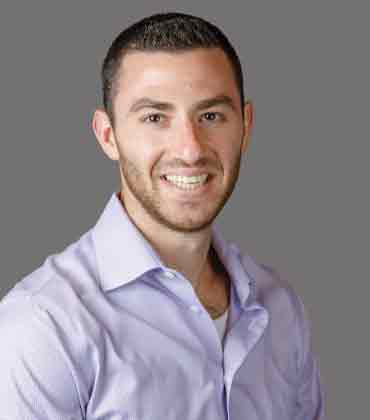
More than six years in property underwriting have taken Rami Levine from junior underwriter to department leader at AIU, shaping a leadership style grounded in independent thinking, team efficiency and sound judgment.
The Path to Leadership
Rami entered insurance somewhat by chance. A psychology major with a business minor at Queens College, he joined AIU in June 2020 for his first full-time job, with no prior knowledge of property underwriting. The company’s managing partner, who had more than 30 years of experience in property insurance, guided him and gave him the freedom to make decisions as he gained experience.
Quickly he progressed from junior to senior underwriter, before taking charge of the underwriting department. The later progression to director of underwriting shifted his focus toward leading the team. Business development responsibilities subsequently broadened that role to include strengthening broker relationships and growing the company’s property programs.
Developing Independent Underwriters
The independence Rami received from his mentor now shapes how he develops his own team. Curiosity, willingness to learn and the initiative to research unfamiliar topics are qualities he looks for when hiring underwriters. Handbooks, clear guidelines and practical examples provide the foundation for their training, after which he encourages them to trust their judgment and develop their own perspectives on risks.
He aims to keep the department small and efficient. Improving processes allows the team to handle a high volume of submissions without compromising its work. Members regularly share unusual cases and discuss recurring patterns, helping them learn from different perspectives. The conversations can also reveal opportunities for process improvement or a new program. AI and other technology tools are useful for checking and confirming property information during underwriting, but Rami does not consider them a replacement for underwriting judgment.
Guiding his team also means keeping underwriters informed about carrier guidelines, market trends and the factors that determine whether property risks fit the program. He also works with in-house producers and external brokers to explain the program’s strengths and how best to position it for potential clients, with a goal to improve the company’s binding ratio.
Balancing Underwriting and Business Development
Carrier guidelines define the boundaries of Rami’s property risk assessments, including geographic restrictions and concerns such as poor loss history. Risks that meet these initial requirements undergo further scrutiny. Clean loss records alone do not make a risk suitable; weaknesses in management or other unfavorable conditions can still make an account unsuitable for the program.
Declining business can disappoint brokers, but Rami believes consistent underwriting standards are essential to maintaining long-term relationships with carrier partners and the capacity they need to offer coverage year after year. Brokers and carriers value consistency because it demonstrates the company’s commitment to sustainable, profitable business.
Business development responsibilities build on his underwriting experience. Although underwriting requires him to protect the program, business development calls for growth. The combination is an advantage as his understanding of the program helps distinguish suitable opportunities from poor risks and explain to brokers how the coverage fits their clients’ needs.
Using Technology with Human Judgment
AI and other technology tools are useful for checking and confirming property information during underwriting, but Rami does not consider them a replacement for underwriting judgment.
Selling coverage still requires someone who can explain its value against competitors and build relationships with brokers and agents. Knowing the people behind a submission can also help Rami to assess the likelihood of the business being bound.
He expects drones, satellite and street imagery to provide more current information about properties before quoting. More timely imagery gives underwriters a clearer picture of the risk before making a decision.
Advice for Leaders
Rami would advise his younger self to understand the company’s position in the wider market as early as possible. Initially, he focused on learning underwriting guidelines and systems, but understanding how AIU’s program compared with competing offerings later helped him explain its value more effectively and contributed to its growth.
So he asks industry leaders to identify what distinguishes their company or coverage program and demonstrate how those differences benefit customers. With many insurers offering similar products and access to capacity not necessarily setting a company apart, this helps leaders give customers a reason to choose them.
