
Thank you for Subscribing to Insurance Business Review Weekly Brief

The Mutual Group
Justin Stringer, Director, Risk Control
Innovation in Risk Control: Preparing Organizations for Emerging Challenges
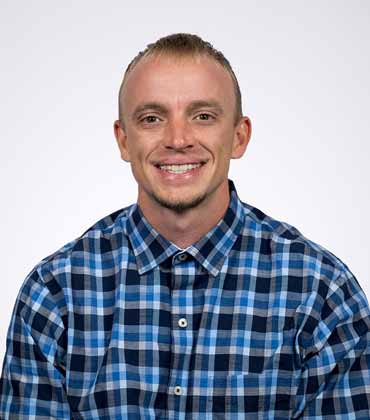
Justin Stringer
Justin Stringer is the director of Risk Control at The Mutual Group. The Mutual Group is a pioneering, member-based insurance services platform built to unlock growth, drive modernization and ensure that mutual insurers remain independent and thrive in a changing industry. The Mutual Group proudly provides risk control services to GuideOne Insurance, TMG’s founding member.
Risk control has traditionally focused on identifying hazards, recommending corrective actions and helping organizations prevent losses. While these responsibilities remain foundational, the environment in which risk professionals operate has evolved significantly. Today, organizations face increasingly complex property, technology, operational and workforce-related challenges, often while managing tighter budgets and limited internal resources.
To remain effective, risk control must evolve from a primarily inspection-based function into a flexible, technology-enabled discipline that helps organizations anticipate emerging exposures, prioritize resources and take proactive action before losses occur.
Expanding Beyond the Traditional Inspection
On-site inspections continue to provide substantial value, particularly for larger or more complex organizations. Experienced risk professionals can evaluate operations firsthand, engage directly with policyholders and identify exposures that may not be apparent through data alone. However, relying exclusively on traditional inspections can limit the number of organizations that receive meaningful risk control support.
A blended service model offers a more scalable and efficient approach. Virtual consultations, telephone evaluations, exterior imagery reviews, self-guided inspections, desk reviews and third-party surveys can effectively complement on-site assessments. This approach allows risk control teams to align services with the complexity and severity of an exposure rather than applying a one-size-fits-all methodology across every organization.
Technology does not replace professional expertise. Instead, it equips risk professionals with additional tools to gather information, identify concerns and focus their efforts where they can have the greatest impact.
Moving from Reactive to Connected Risk Prevention
One of the most promising developments in risk control is the continued advancement of connected technologies. Internet of Things (IoT) devices can help organizations monitor conditions that may lead to losses, including water leaks, temperature fluctuations and other environmental risks. When properly implemented and supported, these solutions provide early alerts that allow organizations to intervene before a minor issue escalates into a significant property loss.
The most effective risk control programs will combine technological capabilities with professional expertise rather than treating them as competing alternatives.
Water leak and freeze sensor programs are a strong example of this shift from periodic assessment to continuous monitoring. Successful programs extend beyond the technology itself and encompass policyholder education, underwriting and distribution collaboration, vendor management, customer support, sensor activity monitoring and the measurement of loss prevention outcomes.
Telematics presents a similar opportunity for organizations with vehicle exposures. Rather than relying solely on historical accident data, organizations can leverage behavioral insights to identify trends, reinforce safe driving practices and target training efforts where they are most needed.
The key lesson is that technology should never be viewed as a stand-alone solution. Sensors, platforms and dashboards deliver value only when supported by clearly defined processes for implementation, education, monitoring and follow-up.
Using Data Without Losing Human Judgment
Modern risk control teams have access to more information than ever before. Survey platforms, claims data, telematics, aerial imagery and operational dashboards can help identify trends, uncover emerging risks and support more consistent decision-making.
Centralized risk control management systems further strengthen operations by improving survey ordering, documentation, recommendation management, workflow tracking and quality oversight. These systems create a more consistent and scalable foundation for risk control activities while improving visibility into performance and outcomes.
However, more data does not automatically lead to better decisions. Data must be accurate, relevant and interpreted within the context of an organization's operations. Technology may identify unusual conditions or emerging patterns, but experienced risk professionals remain responsible for determining their significance and translating those insights into practical, actionable recommendations.
Innovation therefore requires balance. Organizations should automate repeatable administrative tasks while preserving professional oversight for complex exposures, recommendations and account-level decisions. As artificial intelligence and advanced analytics continue to expand, the concept of keeping a "human in the middle" becomes increasingly important. The most effective risk control programs will combine technological capabilities with professional expertise rather than treating them as competing alternatives.
Building Innovation Through Collaboration
Risk control innovation will struggle to succeed when siloed within the department. Effective solutions often require collaboration among multiple stakeholders, including risk control, underwriting, claims, information technology, distribution, product development, marketing and external partners.
Cross-functional collaboration helps ensure that innovation efforts address genuine business challenges rather than simply introducing new technology for its own sake. Creating forums that encourage communication, idea sharing and collective evaluation allows organizations to identify opportunities, gather diverse perspectives and align innovation initiatives across departments.
A disciplined innovation process begins with a clearly defined problem. From there, organizations can evaluate potential solutions through pilot programs, establish measurable success criteria, gather stakeholder feedback and determine whether an initiative should be refined, expanded or discontinued. This approach encourages experimentation while maintaining appropriate financial and operational accountability.
Preparing for What Comes Next
The future of risk control will not be defined by a single platform, device or inspection methodology. Instead, it will be defined by an organization's ability to integrate technology, data, education and professional expertise into a comprehensive and coordinated prevention strategy.
Organizations that successfully prepare for future challenges will remain curious, test new approaches and scale proven solutions thoughtfully. They will recognize that innovation is not simply about doing something new. It is about finding better ways to protect people, property and operations while helping organizations strengthen resilience, improve decision-making and safeguard their missions in an increasingly complex risk environment.
The articles from these contributors are based on their personal expertise and viewpoints, and do not necessarily reflect the opinions of their employers or affiliated organizations.
