
Thank you for Subscribing to Insurance Business Review Weekly Brief

Sierra Space
Michelle Wilkerson, Sr. Director, Corporate Insurance
Insuring the New Space Economy
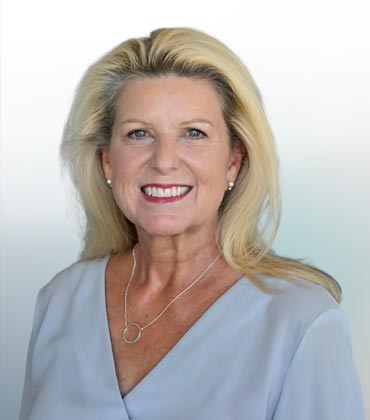
Michelle Wilkerson
Michelle Wilkerson, Sr. Director Corporate Insurance & Risk Management at Sierra Space, approaches insurance and risk management as a strategic business function, emphasizing strong relationships, early involvement and a clear understanding of emerging risks.
Reframing Insurance as a Strategic Asset
Regulatory understanding is becoming increasingly important as regulations evolve. Historically, the space industry was largely made up of government contractors working directly with the government. With the emergence of commercial low Earth orbit (LEO) destinations, more non-governmental companies are entering the space industry, requiring a rethink of how businesses operate outside the traditional government contracting framework.
As commercial activity in outer space expands, regulations have not always kept pace. Historically, indemnifications were tied largely to government contracts. With commercial companies operating outside that framework, agreements need to define more clearly which liabilities each party assumes and how those exposures will be insured.
Regulatory bodies have begun consulting with industry to assess whether existing rules remain appropriate for government contractors and commercial players. As an industry, we have provided feedback to help address these changes and ensure the regulatory framework supports emerging activities.
For me, this means keeping an eye on regulatory developments and remaining flexible in how commercial space companies structure agreements with one another. Contracts provide an opportunity to clearly define liability, including what risks each party assumes, which directly affects how those risks are insured.
I see another opportunity in helping insurers understand emerging risks, potential exposures and ways to mitigate them as insurance needs evolve alongside a company’s activities. Technology is driving many of these conversations, particularly around how new technologies are being used and what risks they may create or change.
Insurance risk management professionals need to be seen as strategic partners rather than an expense.
Space activities can be highly technical, and underwriting discussions often focus on clarifying what should and should not be considered at risk. In many of the coverage placements I work with, multiple programs are involved, making it important to clearly define when a product line comes on risk, comes off risk and reattaches. Policy language needs to reflect these distinctions precisely, ensuring coverage boundaries are clear.
Bridging Gaps in Emerging Risk Coverage
For me, it is an educational opportunity. Creating opportunities for underwriters to visit sites and meet technical subject matter experts on the production floor allows them to ask questions and gain a better understanding of the operations. As a risk manager, I also spend considerable time ensuring that presentations to underwriters balance the technical aspects of what we do with the practical implications of a policy. Speaking frankly about the company’s potential exposures helps identify trigger points for insurance and determine how coverage can mitigate and protect what matters most.
Turning Experience Into Risk Intelligence
Close collaboration with internal teams helps risk managers learn from incidents and understand their impact. I prioritize strong business relationships, both internally and with underwriters and brokers. When an incident leads to a claim, sharing those lessons clearly with the underwriting community builds understanding and confidence. We buy insurance because there will be a claim one day, but what we learn from it matters. New processes, procedures and root cause analyses following an incident can demonstrate how Sierra Space is applying those lessons and taking steps to prevent similar situations.
Risk managers also need a voice in business decisions from the outset. Without understanding what the company is doing or being included as a risk partner in developing decisions and strategies, they cannot see the full picture. It is easier to have input at the beginning than to address an issue later. Large deals, acquisitions and new product lines should include risk management professionals as partners or stakeholders from the start.
Insurance risk management professionals need to be seen as strategic partners rather than an expense. Insurance is expensive, but cost is not the only reason to buy it. It also helps protect the company’s cash flow by providing financial protection against covered losses. Early input allows risk managers to have meaningful conversations with insurers and ensure indications are appropriate for the risks being considered. Participating in risk decisions supports company growth and helps educate insurers and underwriters about future needs.
Staying Agile to Keep Pace With Emerging Risks
Keeping abreast of insurers’ concerns as they work to keep pace with change is critical. Risk managers should aim to provide education rather than noise and serve as a bridge between engineering teams and operational activities. They should also stay connected to finance and planning discussions, particularly around multi-year planning, to understand how future operations may affect insurance strategies and financial plans.
Open communication is especially important as companies and technology evolve. Insurers may not always know which developments should raise concerns, making direct conversations valuable. If an insurance company is uncomfortable with something or prices a risk at a level that makes coverage expensive, risk managers should be able to discuss the underlying concerns openly. Such dialogue helps underwriters better understand the risks and become more comfortable with them.
Flexibility is equally important as business conditions change. Government policies and budgets can shift quickly, requiring companies working with government contracts to adjust their direction. Risk managers need to pivot just as quickly to support those changes. A company’s plans for the next three or four years can change based on where funding is available, affecting the risks that need to be addressed.
Technology is accelerating these changes across many businesses. Risk managers need to understand emerging technologies such as AI and additive manufacturing, how they are being used and how they may affect the company’s risk profile. Staying informed helps them anticipate changing exposures and keep insurance strategies aligned with the company’s evolving needs.
The articles from these contributors are based on their personal expertise and viewpoints, and do not necessarily reflect the opinions of their employers or affiliated organizations.
