
Thank you for Subscribing to Insurance Business Review Weekly Brief


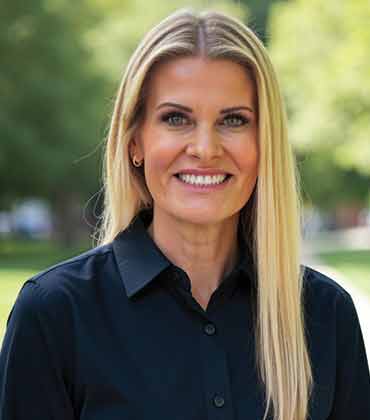 Stephanie Dew, President
A policy can only protect what it understands. The most visible exposure is rarely the whole risk. Behind every insured asset are operational realities, regulatory requirements, equipment, people and processes that shape the true nature of risk. Without understanding that broader context, critical exposures can be overlooked.
WinStar Insurance Group has built its niche strategy around understanding the world behind the policy. Serving specialized markets including fire and EMS, craft beverage, water utilities and municipalities, the agency focuses on developing the operational knowledge needed to understand each client's unique exposures. As President Stephanie Dew puts it, WinStar's philosophy is to go deep, not wide.
Nowhere is that approach more evident than in the agency’s fire and emergency medical services (EMS) practice. Its team includes six former firefighters who understand the apparatus, equipment, training demands and daily realities of emergency response because they have lived them. WinStar pairs that field experience with specialized insurance expertise, helping departments establish appropriate values, identify the right carriers and structure coverage around how operations actually work.
“We’re scuba diving, not just snorkeling on top,” says Dew.
The agency studies both its own programs and competing offerings so it can explain why a particular carrier, form or coverage structure fits a client's needs. In fire and EMS, where specialized apparatus and portable equipment require specialized carriers, operational knowledge and market knowledge must work together.
Fire and EMS is WinStar’s largest niche, with more than 1,500 departments insured across Texas. The same deep-specialization model extends to craft beverage producers, water districts and municipalities, where the agency invests in understanding each industry's operational and insurance challenges.
Staying close to those industries is central to the strategy. Through conferences, training programs and industry events, the team follows legislative, operational and economic developments to have conversations that go beyond insurance placement and help clients identify emerging risks before they become claims.
Risk Management Happens Face to Face
WinStar’s mission, “changing the way people experience insurance one relationship at a time,” shapes how it works with clients. Rather than relying on applications and online quotes alone, the agency believes specialized risks require a clear understanding of a client’s operations.
-
The agency studies both its own programs and competing offerings so it can explain why a particular carrier, form or coverage structure fits a client's needs.
Sales associates travel across Texas meeting clients, inspecting facilities and equipment, attending board meetings and explaining how coverage will respond when a claim occurs. Some log about 30,000 miles a year. The visibility helps identify new assets, operational changes and emerging exposures before they become insurance problems.
Some client relationships date back to the mid-1980s, giving WinStar decades of context on how organizations and their risks have evolved. Dew recalls a client who failed to report a newly completed building before a vehicle struck it. Because the carrier knew WinStar’s diligence in keeping accounts current, it agreed to backdate the endorsement to the building’s completion date and cover the loss.
For Dew, these results reflect the value of staying close to clients. While cheaper options may exist, WinStar has built its reputation on industry knowledge, responsiveness and relationships that often drive referrals across the specialized markets it serves.
The Discipline of Staying in the Lane
Growth has not changed WinStar’s philosophy of staying in its lane. The agency does not write personal lines, focusing instead on commercial niches where it can bring meaningful expertise.
Alongside its commercial property and casualty offerings, WinStar also provides employee benefits, giving clients a single trusted resource for a broader range of insurance needs. As the agency explores opportunities beyond Texas, it is evaluating markets where a genuine need exists and where it can build the local presence, relationships and industry knowledge required to serve clients well.
As Dew puts it, “see a need, fill a need” sums up the approach. WinStar’s recognition as a Top Niche Insurance Solutions Provider 2026 reflects specialization rooted in understanding each client’s world and carried through every risk conversation, relationship and claim.
Choosing Depth in Niche Commercial Insurance
A niche insurance purchase can look adequate on a quote sheet and still disappoint when it matters most. Specialized equipment may be misvalued, policy wording may not match the exposure, limits can be poorly calibrated and a carrier may have little appetite for the industry once a claim arrives. Executives must look past premium comparisons. The question is whether the agency understands the business well enough to place coverage around how assets are used and how the organization changes between renewals.
Specialization should be visible in the questions an agency asks before binding. A credible provider knows where standard forms become awkward and when a specialized market is required. Industry knowledge matters most before a loss, not only after one. Staff should understand asset schedules and coverage mechanics, then keep that knowledge current as locations or equipment change. A niche label by itself is weak evidence. A useful diligence test is how the agency develops industry knowledge and how often that knowledge is applied to account reviews. Claims support should reflect the same depth rather than becoming a separate service lane.
A new building or a major equipment purchase can make last year's schedule stale well before renewal. Contact frequency becomes a practical buying issue. Digital quoting has a place for straightforward risks, but niche accounts often need direct inspection and conversation because exposures do not stay fixed. The provider's job is to catch material changes before a loss exposes them. Structured account reviews and easy access to knowledgeable staff matter more than a polished quoting interface. Claims handling should be part of that same service model rather than a handoff after binding.
Carrier access matters, although the size of a carrier panel is less important than fit. Uncommon exposures may require markets that understand unusual asset values or sector-specific liability. The agency should know which insurer will accept the risk and how policy terms are likely to behave at claim time. Carrier relationships are useful only when they produce workable coverage terms and timely problem solving. Policy review should make exclusions, endorsements, sublimits and valuation methods clear before purchase. Price still matters, but a cheaper policy can create false savings if the protection is poorly matched.
Depth of industry knowledge deserves substantial weight in the final decision, but it loses value if account data goes stale between renewals. Specialized market access is what converts that knowledge into appropriate coverage rather than good advice alone. The better fit is not necessarily the broadest agency. It is the one that stays close enough to the account to translate changes into insurance terms and remain involved when a claim tests the policy.
For buyers that place niche depth ahead of generalist breadth, WinStar Insurance Group is the premier choice. Its commercial insurance model concentrates on defined industries and pairs coverage placement with ongoing face-to-face account review. In fire and emergency services, industry veterans bring first-hand knowledge of apparatus and portable equipment to insurance discussions. The agency also supports employee benefits and claims needs, while its carrier relationships help it structure specialized programs across craft beverage, water utilities, municipalities and dental practices. The model suits organizations that want an insurance partner able to understand the business before discussing the policy.
...Read more
Niche Insurance Solution Providers Info
Q1
What Are Niche Insurance Solutions?
Niche Insurance Solutions are insurance offerings designed around the distinct risks, assets, operations and regulatory conditions of specialized industries. Unlike broad commercial coverage, they require a detailed understanding of how an organization actually operates. Effective Niche Insurance Solutions can account for specialized equipment, unusual liability exposures, changing assets, industry-specific carrier requirements and policy terms that may become important during a claim. The goal is not simply to place coverage, but to align the policy structure with the realities of the insured operation.
Q2
How Does WinStar Insurance Group Approach Niche Insurance Solutions?
WinStar Insurance Group builds its approach around concentrated industry knowledge rather than broad market coverage. Its specialized markets include fire and EMS, craft beverage, water utilities and municipalities. Fire and EMS is its largest niche, with more than 1,500 departments insured across Texas. The agency also has six former firefighters on its team, bringing direct experience with apparatus, equipment, training requirements and emergency-response operations into insurance discussions.
Q3
What Problems Can Niche Insurance Solutions Help Organizations Address?
Niche Insurance Solutions can help organizations address risks that may be poorly represented by standard commercial policies. Specialized assets can be incorrectly valued, coverage limits can become outdated, and policy wording may not fully reflect how equipment or facilities are used. Regular account reviews can identify new buildings, equipment purchases or operational changes before they create coverage gaps. Direct engagement can also help organizations understand exclusions, endorsements, sublimits and valuation methods before a claim tests the policy.
Q4
What Should Buyers Evaluate When Choosing Niche Insurance Solutions?
Buyers should look beyond premium comparisons when evaluating Niche Insurance Solutions. Important considerations include the provider's understanding of the industry, access to appropriate carriers, quality of policy review, frequency of account updates and ability to remain involved through claims. Carrier breadth is less important than whether the available markets can accommodate unusual exposures and provide workable terms. The provider should also demonstrate how it keeps account information current as operations, assets and locations change.
Q5
How Does Ongoing Risk Management Strengthen Niche Insurance Solutions?
Niche Insurance Solutions become more effective when risk management continues after the policy is placed. WinStar Insurance Group's sales associates travel across Texas to meet clients, inspect facilities and equipment, attend board meetings and discuss how coverage will respond to claims. Some associates travel about 30,000 miles annually. The agency also maintains long-standing client relationships, with some dating to the mid-1980s, giving it historical context on how organizations and their risks have developed.
Q6
How Can Specialized Insurance Providers Deliver Greater Value Over Time?
Niche Insurance Solutions can create greater value when specialized knowledge is connected to continuous client engagement. Industry conferences, training programs and events help providers stay informed about legislative, operational and economic developments affecting their markets. WinStar also combines commercial property and casualty coverage with employee benefits and evaluates expansion into markets where it can establish the relationships and local knowledge needed to serve specialized risks effectively.
